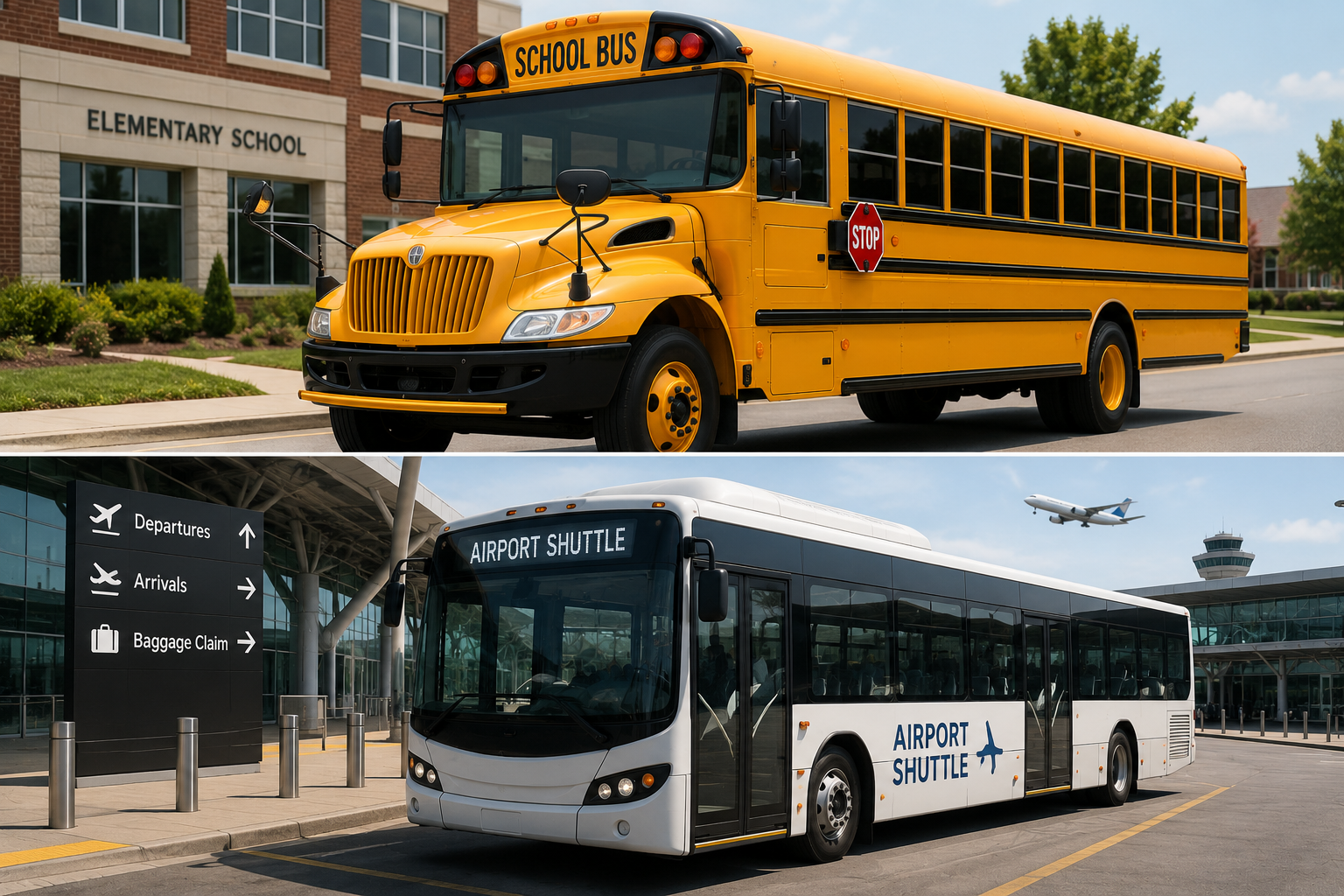
Organizing a school event involves countless responsibilities, from obtaining parental permission to coordinating teachers and managing student attendance. Transportation is one of the most important considerations because it directly affects scheduling, supervision, and the overall experience. Reliable School Bus Transportation planning helps educational institutions manage these responsibilities while keeping students organized throughout their journey.
Whether arranging an interschool competition, educational workshop, community activity, or graduation event, schools benefit from establishing clear transportation procedures well before departure.
Begin With a Detailed Transportation Checklist
A successful journey starts with understanding the event’s requirements.
School administrators should confirm the number of participating students, accompanying adults, destination details, and expected travel duration.
School Bus Transportation arrangements should also reflect the age of passengers and any additional supervision requirements.
Confirm Passenger Information
Accurate attendance records are essential when coordinating educational outings.
Teachers should prepare passenger lists and identify students who require additional assistance.
Emergency contact details, relevant medical instructions, and permission documentation should remain accessible to authorized staff.
Maintaining accurate records supports accountability during departure, arrival, and return journeys.
Coordinate Responsibilities Among School Staff
Transportation becomes easier to manage when everyone understands their role.
School Bus Transportation planning should identify who will supervise boarding, confirm attendance, communicate with families, and coordinate with the driver.
Assigning responsibilities beforehand prevents uncertainty during busy departure periods.
Establish a Clear Supervision Structure
Teachers can divide larger groups into smaller sections, each supervised by a designated adult.
Students should know which supervisor to approach when they need assistance.
Staff members should also understand procedures for managing unexpected delays, misplaced belongings, or changes to the event schedule.
Consistent supervision helps maintain an orderly environment.
Prepare Students for Responsible Travel
Students play an important role in creating a positive travel experience.
Before departure, educators should explain appropriate behaviour, boarding instructions, and expectations during the journey.
School Bus Transportation guidelines should be communicated in language suitable for each age group.
Encourage Respectful Passenger Behaviour
Students should follow driver and supervisor instructions, remain seated when required, and avoid distracting others.
Personal belongings must be stored appropriately, and aisles should remain unobstructed.
For younger children, teachers can review these expectations through simple classroom discussions.
Older students may benefit from understanding how responsible behaviour contributes to everyone’s safety.
Adapt Transportation to Different Educational Events
Not every school outing follows the same schedule.
A sporting competition may involve changing finish times, while an academic conference could require precise arrival arrangements.
School Bus Transportation planning should reflect these differences rather than relying on one standard itinerary.
Consider Event-Specific Requirements
For outdoor educational activities, organizers may need to account for additional clothing, supplies, and equipment.
Formal ceremonies may require coordinated arrival times and accessible drop-off locations.
School competitions often involve several participating groups, making clearly designated meeting areas particularly important.
Understanding these details helps reduce last-minute difficulties.
Evaluate the Journey After the Event
Transportation planning should not end when students return to school.
Collecting feedback from teachers and supervisors can reveal opportunities for improvement.
Schools can evaluate whether pickup locations were practical, schedules were realistic, and communication procedures worked effectively.
Use Feedback for Future Improvements
A short review can identify recurring challenges such as unclear boarding instructions or insufficient preparation time.
Documenting these observations helps organizers develop stronger procedures for upcoming events.
School Bus Transportation becomes easier to coordinate when schools build on previous experience.
Educational administrators reviewing school transportation arrangements in Toronto can use these considerations when preparing future activities.
Conclusion: Preparation Supports Successful Educational Experiences
Every educational event deserves a transportation plan that reflects student needs, staff responsibilities, and practical travel conditions.
Clear instructions, accurate attendance records, appropriate supervision, and thoughtful scheduling contribute to smoother journeys.
By prioritizing effective School Bus Transportation, educational institutions can strengthen organizational practices, support student wellbeing, and help teachers focus on delivering meaningful learning experiences beyond the classroom.
What do you feel about this post?

Like

Love

Happy

Haha

Sad