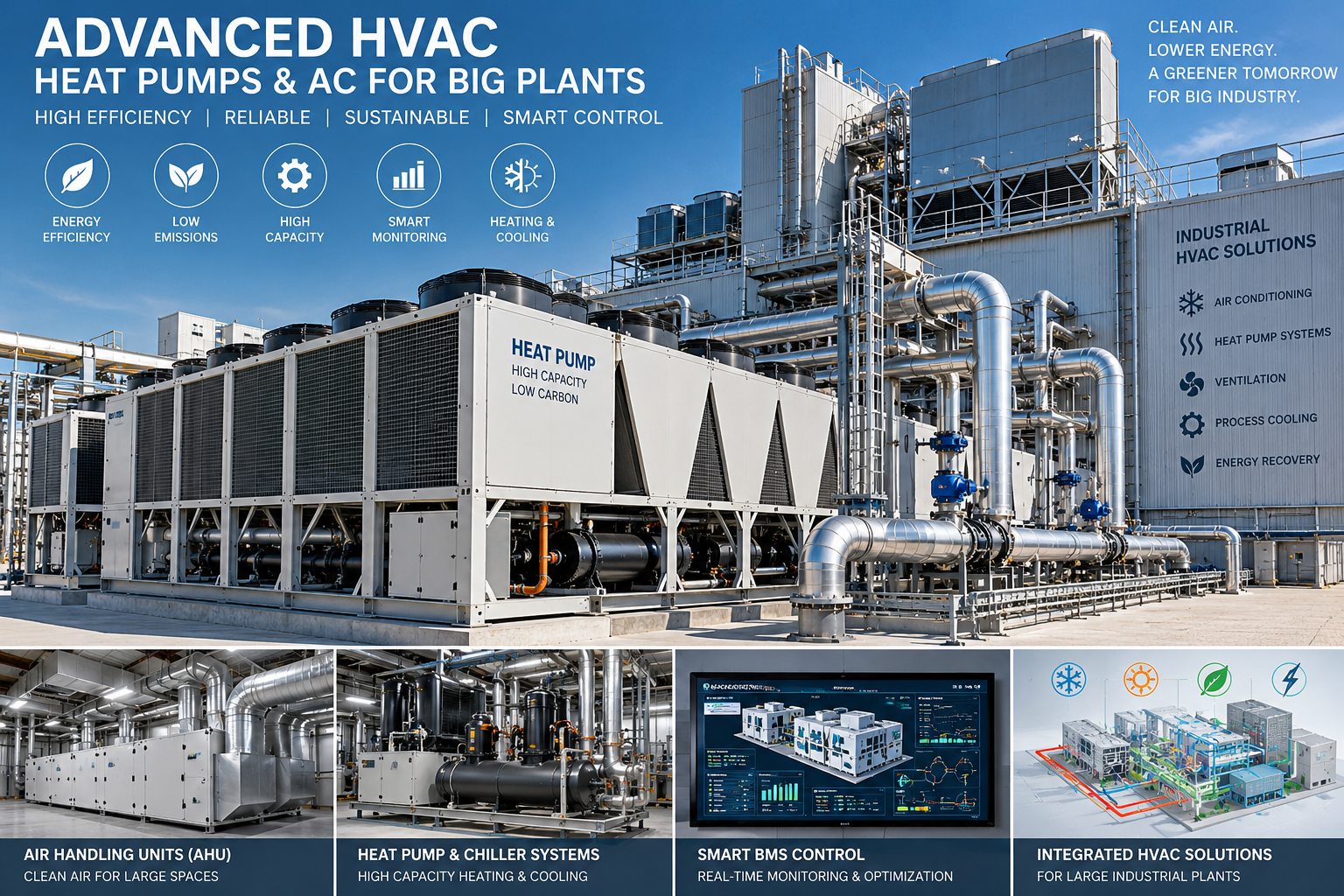
The Fraser Valley includes communities with varied housing characteristics and seasonal weather conditions. Homes closer to coastal influences may experience different winter temperatures from properties farther inland.
These regional differences make heating and cooling decisions especially important.
Homeowners searching for heat pump contractors Fraser Valley should prioritize professionals who understand building performance, cold-weather heating requirements, and appropriate installation techniques.
Selecting the right expertise can make a significant difference in long-term equipment reliability.
Why Regional Climate Knowledge Is Important
Heat pumps transfer thermal energy between indoor and outdoor environments.
Their heating capacity and efficiency can change as outdoor temperatures decrease.
Coastal and Inland Differences
The Fraser Valley contains communities with varying exposure to coastal weather and colder inland conditions.
Equipment suitable for one property may not be the best choice for another.
Winter Design Temperatures
Heating equipment should be evaluated against appropriate local winter conditions.
A contractor should understand how heat pump capacity changes at lower temperatures and whether supplementary heating is necessary.
Summer Cooling Requirements
Warm summer periods can create significant cooling demands.
Equipment selection should consider both winter heating and summer cooling rather than focusing on one season.
What Experienced Contractors Should Evaluate
Professional heat pump contractors Fraser Valley should begin with a detailed property assessment.
Building Heat Loss
Insulation, windows, air leakage, and building geometry influence heating requirements.
A heat loss calculation helps establish the capacity needed during colder conditions.
Cooling Loads
Solar exposure, occupancy, internal heat sources, and building insulation affect summer cooling requirements.
Correct sizing supports comfortable temperatures and effective operation.
Existing Infrastructure
Electrical systems, ductwork, and available installation space can influence equipment selection.
These factors should be evaluated before finalizing a configuration.
Understanding Different Heat Pump Arrangements
Central Ducted Systems
Ducted heat pumps distribute conditioned air throughout the building.
They can be suitable for homes with appropriately designed air distribution networks.
Ductless Systems
Ductless equipment provides heating and cooling directly to selected areas.
It may be practical for older homes, additions, or properties with limited ductwork.
Cold-Climate Configurations
Certain heat pumps are designed to maintain useful heating capacity at lower outdoor temperatures.
Contractors should evaluate published performance data rather than assuming every configuration performs identically.
Questions Fraser Valley Homeowners Should Ask
How Will You Determine System Capacity?
A qualified professional should explain the heating and cooling load calculation process.
Equipment capacity should reflect the property’s characteristics and local climate.
What Happens During Very Cold Weather?
Ask how the proposed system performs at relevant winter temperatures.
Discuss whether supplementary heating is recommended and how it would operate.
Are Electrical or Duct Changes Necessary?
Understanding infrastructure requirements helps homeowners prepare for installation.
How Will Performance Be Verified?
Commissioning should include appropriate checks of controls, airflow, electrical operation, and heating and cooling performance.
Avoiding Common Installation Problems
Poorly planned installations can lead to uneven temperatures, excessive cycling, and disappointing efficiency.
Correct sizing is essential, but installation workmanship also matters.
Outdoor equipment must have suitable airflow and drainage, while indoor components require proper placement.
Refrigerant system preparation and electrical connections should follow applicable technical requirements.
Supporting Long-Term System Reliability
Regular maintenance helps preserve equipment condition.
Homeowners should keep outdoor units clear of debris, maintain filters, and arrange inspections when operating behaviour changes.
Consulting local Fraser Valley heating specialists can help homeowners better understand regional installation requirements.
Conclusion
Choosing heat pump contractors Fraser Valley requires careful consideration of regional climate conditions, technical qualifications, and installation experience. A knowledgeable professional should evaluate building heat loss, cooling demands, electrical infrastructure, and equipment performance during colder weather. Homeowners who ask detailed questions and prioritize proper system design are better prepared to select suitable heating and cooling arrangements. With thoughtful planning, professional installation, and ongoing maintenance, heat pumps can provide reliable indoor comfort across the Fraser Valley’s varied seasonal conditions.
What do you feel about this post?

Like

Love

Happy

Haha

Sad